


Pilot project program for early-career investigators
This program was created to support early career vision investigators and vision rehabilitation professionals. It aims to promote the maintenance of a critical mass of vision science researchers in Quebec, to attract international researchers, and to finance pilot projects demonstrating the feasibility of new projects.
This program was created to support early career vision researchers and vision rehabilitation professionals who are seeking an academic position or have been in an academic position for less than five (5) years. Postdoctoral fellows, medical residents, optometrists (ODs) in graduate studies, or any other vision rehabilitation professional who will have an academic position with a research component at the time of funding utilization are also eligible to apply.
The preliminary results obtained during this period funded by the VSRN will allow them to more easily access other scholarships or grants of provincial scope (Junior 1 and Junior 2 research fellows from the Fonds de recherche du Québec – Santé (FRQS)), federal or even grants from private foundations. Candidates will benefit from constructive comments from experienced evaluators which will allow them to consolidate their application and increase their chances of success in these competitions. This program is jointly funded by the “Fondation des maladies de l’oeil” (2023-01-13).
This grant is for a periode of one year (no renewal possible).
Grant
$50,000
Deadlines
Letter of intent + CV
Full application
December 15 2025*
February 15 2026*
* If these dates fall on a Friday, Saturday or Sunday, the candidate will have until Monday evening to send their application to the VSRN.
Evaluation grids
Documents 2025-2026
Pilot-project Form PDF Version November 2025
Pilot-project Form Word Version November 2025
Scientific Report
A scientific report must be submitted at the end of each grant, then when requesting renewal of the VSRN.
Financial report
For any project subsidized by the VSRN, a financial report must be submitted to the FRQS at the end of the financial year (March 31) following the year of the award as well as at the end of the grant.
Funded researchers

Guillaume Laliberté, PhD
Postdoctoral Fellow since October 2025
Université du Québec à Trois-Rivières (UQTR)
Axis: Biology and Pathology of Vision, Emerging Technologies and Vision Neurosciences
Type of research: Discovery and translational
Grant title: Neural Mechanisms of Blindness Adaptation and Vision Restoration
SUMMARY: Vision loss induces profound and long-lasting changes in the brain. In the absence of visual input, the visual cortex reorganizes and is recruited by other sensory modalities. While this plasticity enables adaptation to sensory deprivation, it also represents a major obstacle to vision restoration, as reorganized visual circuits no longer process visual information optimally when it is reintroduced. This project aims to better understand how the brain adapts to blindness and to identify the conditions that promote effective reintegration of visual information. Using animal models, we will develop a reversible model of blindness based on targeted chemogenetic manipulations, allowing controlled and transient inhibition of retinal activity. This approach will provide a unique opportunity to longitudinally track functional and anatomical reorganization of visual circuits during sensory deprivation and following the restoration of visual activity. We will analyze alterations in interactions between different visual areas, their impact on perceptual abilities, and the circuits that remain amenable to targeted modulation promoting functional recovery. By combining multi-scale brain imaging, chemogenetic modulation of neuronal activity, and behavioral assessments of visual perception, this project will identify key mechanisms underlying visual cortical plasticity. Ultimately, this work will provide a rational foundation for the development of innovative visual rehabilitation strategies, generate essential preliminary data for subsequent funding applications, and contribute to the training of highly qualified personnel in visual neuroscience.

Isabelle Poitras, OT, PhD
Assistant Professor since January 5, 2026
Cirris – Université Laval
Axis: Emerging Technologies and Vision, Access, and Participation
Type of research: Clinical
Grant title: Improvement of stroke-related visual impairments detection using a portable device
SUMMARY: Every year, more than 100,000 Canadians suffer from a stroke. Around 60% of stroke survivors will experience some form of visual impairment in the days following their stroke, such as a loss of visual fields, a neglect of a part of the visual field and difficulties moving their eyes. These difficulties can significantly reduce
independence and make it harder for survivors to carry out everyday activities. Experiencing visual impairments can mean having to stop driving or encountering difficulties with reading and writing. Moreover, around half of individuals who develop visual impairments after a stroke will continue to experience persistent symptoms six months later. Even though the prevalence and the impact of such impairments are substantial, visual impairments are not systematically assessed after a stroke. When they are, the tools typically used in clinical rehabilitation care are crude and lack precision, limiting access to appropriate follow-up for individuals who could benefit from it. The proposed project will develop a portable assessment of visual impairments using virtual reality that can be administered at the patient’s bedside within hours of a stroke. This assessment device will be validated using an oculometry device recognized for its precision in the detection of visual impairments but is not widely available in the clinic. As rehabilitation delivery is time-sensitive in the months following a stroke, this project will support early and reliable detection of visual impairments that can be used directly in the hospital.
The following project was funded by the Fondation des maladies de l’œil (FMO).
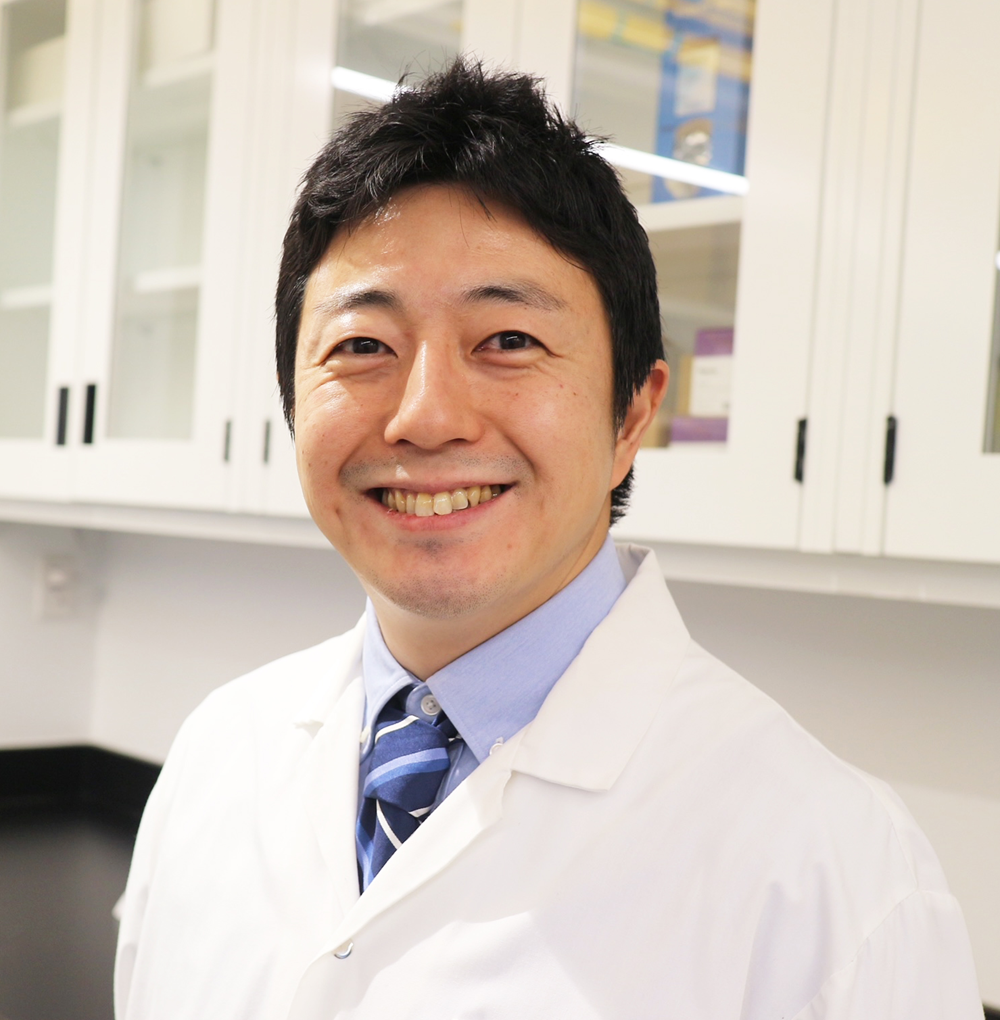
Yukihiro SHiga, MD, PhD
Assistant Professor since October 1st, 2025
Centre universitaire d’ophtalmologie de l’Hôpital Maisonneuve-Rosemont – Université de Montréal
Axis: Biology and Pathology of Vision
Type of research: Translational (preclinial)
Grant title: Mechanistic dissection of early retinal ganglion cell vulnerability in glaucoma
SUMMARY: Glaucoma is a leading cause of irreversible blindness worldwide. Progressive retinal ganglion cell (RGC) degeneration continues even in patients with well-controlled intraocular pressure, underscoring the urgent need for mechanism-based interventions. Mutations in optineurin (OPTN), including, most notably,
the E50K and our recently identified N51T variants, are among the few established genetic causes of
severe, early-onset normal-tension glaucoma. Yet, the earliest cellular events triggered by these mutations
remain poorly understood. To address this, we will use CRISPR knock-in mouse models carrying OPTN
E50K or N51T mutations to delineate the molecular and cellular consequences of these pathogenic variants. Specifically, we aim to define how these mutations induce neuronal dysfunction and synaptic deficits. By
integrating comprehensive structural, functional, and molecular analyses, we will identify targetable
pathways that may serve as the basis for neuroprotective interventions. This work will represent the first
evaluation of early cellular dysfunction caused by OPTN mutations and establish a powerful in vivo platform
for mechanism-based neuroprotection. Results from this pilot project will provide critical preliminary data for
the development of precision therapies aimed at patients at high risk of glaucoma, accelerating translational strategies to prevent vision loss.

Rony Chidiac, PhD
Assistant professor from July 2025
Université de Sherbrooke
Axis: Biology and Pathology of Vision
Type of research: Discovery
Grant title: Harnessing pluripotent stem cell-derived choroidal endothelial cells for vascular regeneration in age-related macular degeneration
SUMMARY: Age-related macular degeneration (AMD) leads to vision loss due to choroidal endothelial cell (CEC) dysfunction, disrupting choriocapillaris perfusion and depriving the retina of nutrients. This contributes to RPE degeneration, photoreceptor loss, and vascular abnormalities that impair retinal integrity. Human pluripotent stem cell (hPSC)-derived endothelial cells hold significant promise for vascular disease modeling and regenerative medicine. However, generating highly specialized endothelial cell subtypes, such as CECs, remains challenging due to inefficient differentiation protocols that yield heterogeneous populations with limited functionality. This study aims to identify critical bottlenecks in the differentiation and map the trajectory of hPSCs differentiation into functional CECs, allowing us to explore their role in AMD pathophysiology and novel therapeutic applications. By leveraging CRISPR screening and single-cell RNA sequencing, we will refine differentiation protocols through the identification and modulation of molecular regulators governing endothelial lineage commitment to CECs. hPSC-derived CECs will then be assessed for their ability to form complex vascular networks and their functional resemblance to native choriocapillaris ECs, offering new insights into choroidal vascular dysfunction in AMD. By establishing a robust and reproducible differentiation strategy to generate pure and homogeneous CECs, our project will provide a valuable in vitro model for AMD research and lay the groundwork for future cell-based therapies aimed at restoring choriocapillaris integrity and preventing vision loss.

Natalina Martiniello, PhD, CVRT
Assistant Professor since January 1st 2024
École d’optométrie – Université de Montréal
Axis: Vision, Access, and Participation
Type of research: Clinical and social sciences
Grant title: Navigating the academic library system: Co-developing solutions to support postsecondary
students who are blind or who have low vision within the vision and health research ecosystem
SUMMARY: Despite advancements in vision rehabilitation, accessibility policy and assistive technology, the unemployment rate for individuals with visual impairments remains at 70%. Those who complete postsecondary studies are twice as likely to secure gainful employment. However, individuals with visual impairments experience higher levels of postsecondary abandonment than their sighted peers, in part due to access to information barriers. These disparities contribute to higher rates of depression, social isolation, and comorbidities linked to socio-economic status. The under-representation of leaders with visual impairments is especially pervasive in the vision and health research ecosystem, which relies heavily on visual figures and graphs. This study will explore the facilitators and barriers encountered by blind and low vision trainees while accessing research and academic library services, from initial orientation to advanced research needs in online and physical library spaces. Two online surveys and focus groups will be conducted with blind and low vision trainees in the health research ecosystem and academic librarians. A group of stakeholders consisting of vision rehabilitation professionals, trainees and researchers with visual impairments, and academic librarians will collaborate on each phase of research. Findings will inform future studies to co-design a toolkit to enhance academic library accessibility. Moreover, this study will lay the groundwork for a broader research program to investigate facilitators and barriers throughout the research cycle, with the goal of co-developing accessibility solutions to better integrate trainees with visual impairments within research environments.
The following project was funded by the Fondation des maladies de l’œil (FMO).

Cristina Bostan, MD, MSc, FRCSC, DABO
Clinical Assistant Professor since September 1st 2023
Centre universitaire d’ophtalmologie de l’Hôpital Maisonneuve-Rosemont – Université de Montréal
Axis: Emerging Technologies
Type of research: Translational and preclinial
Grant title: TransCoRe :Translational Success in Corneal Regenerative Medicine
SUMMARY: Globally, 12.7 million people await corneal transplantation, but only 1 in 70 are treated due donor tissue shortage. Researchers have therefore turned to regenerative alternatives. However, despite decades of research, few have crossed the “valley of death” of bench-to-bedside translation to assume a well-defined role in the corneal blindness treatment paradigm. Today, corneal transplantation remains the gold standard, despite its many limitations. The is a clear need to accelerate the translation of emerging corneal regenerative therapies to overcome the ever-growing burden of corneal blindness. One of the problems is that there is currently no objective way to study the translational potential of these therapies. This is essential both for deciding whether their development is worth pursuing and for building customized strategies to accelerate their translation. Our aim is to characterize the current state of translation of emerging corneal regenerative therapies and todevelop a research tool to assess their translational potential. This grant will allow to: (1) map the current rate of translation to the clinic of these therapies; (2) identify factors predictive of their translational success; (3) explore the perspectives and needs of cornea researchers in navigating the translational pathway; (4) and develop and validate the research tool. This tool would be the first of its kind and would directly impact cornea researchers, funding entities and industry who must make resource allocation and directional decisions early in technology development. The ambition is to make safe and effective alternatives available to cornea blind patients faster.

Joseph Paul Nemargut, PhD, COMS
Assistant Professor since March 2021
École d’optométrie – Université de Montréal
Axis: Rehabilitation and Social Issues of Visual Disorders
Type of research: Clinical research
Grant title: Walking blind: Strategies used by people with visual impairments around the world to gain independence
SUMMARY: Due to diminished visual function, people with visual impairments (PVI) lose their independence, thus find it difficult to perform basic daily tasks like navigating their home, and become even more anxious when venturing into a new setting. Although there is significant international public awareness regarding the impact visual impairments on reading abilities, fewer studies have examined the impact of visual impairments on independent mobility. Considering that independent mobility has considerable impact on an individual’s quality of life, employability, and social participation, it is essential to determine the level of independent mobility PVI have on an international scale. Though PVI report positive impacts on receiving professional mobility services, these services are severely lacking or non-existent in many countries throughout the world. At present, no global study on the impact of these services on independent travel has been conducted. Additionally, little is known about the impact of personal factors (i.e., desire for assistance, participant in sports/leisure activities) to improve independent navigation. This study consists of three online questionnaires in English, French, Spanish and Mandarin, as well as interviews with members of the community living with visual impairments, medical or rehabilitation practitioners, and educational staff in various countries to assess the impact of these services. The information that we acquire through this study will lead us to develop clinical guidelines for personal and professional activities that promote independent travel for PVI even with limited resources.

Alexandre Reynaud, PhD
Assistant Professeur since January 2021
Research Institute of the McGill University Health Center (RI-CUSM) – McGill Université
Axis: Brain and Perception
Type of research: Discovery research
Grant title: Investigating the miswiring of the brain’s visual areas in amblyopia (lazy eye)
SUMMARY: About 3% of the population suffer from amblyopia (lazy eye). This is a neurodevelopmental problem of the visual system, in the brain, that can occur when one or both eyes do not see well during early childhood. Although problems with the eyes may be fixed through surgery or with glasses, in amblyopia this may not be a cure. This is because the parts of the brain that the eyes are connected to have not developed in the normal
way. In this project, we want to investigate some of the ways the brain can be miswired in amblyopia. Understanding what is wrong with the way things are connected in amblyopia will help us develop new treatments to fix the condition. We are specifically interested in visual surround suppression. A typical demonstration of surround suppression is that it is harder to detect a target object when it is surrounded by other elements compared to when presented alone. In the brain, the target object and the surrounding elements are seen by different neurons. For the surround to « suppress » our ability to see the target there must be some communication between them. In particular, we will investigate how this affects binocular vision by presenting the target and surround elements to the two eyes separately. We will conduct a detailed investigation of the role of interocular surround suppression in amblyopia. We will measure suppression using behavioural visual tasks and imaging. The results of this investigation may be translated into new training therapies for treating amblyopia.
The following project was funded by the Fondation des maladies de l’œil (FMO).

Ajitha Thanabalasuriar, PhD
Assistant Professor since August 2020
McGill University
Axis: Emerging Technologies
Type of research: Discovery research
Grant title: Gaining insight into the function of newly discovered corneal macrophages in tissue repair and infection control
SUMMARY: Immune cells are strategically positioned throughout our body, serving as vigilant guardians against infections and aiding in the healing process following injuries. Much like watchful guard dogs, our innate immune cells diligently monitor for signs of infection and tissue damage. Each organ harbors its own distinct populations of innate immune cells, which patrol the tissue beds, ready to identify and neutralize any potential threats that may jeopardize the body’s well-being. Among the body’s diverse tissue beds, one of the most remarkable is found at the front of the eye. The cornea, a domed structure forming the outermost layer of the eye, plays a crucial role in maintaining clear vision. However, this transparency poses a challenge as the cornea is routinely exposed to environmental elements that can harbor particulates and infections. While the tear film covering the cornea serves to clear infections, it can be compromised during tissue injury. We have uncovered a specialized group of macrophages (a type of innate immune cell) called corneal epithelial macrophages (CEMs) dwelling among the cells of the cornea’s outermost layer, the epithelium. These newly uncovered macrophages exhibit swift responsiveness to corneal damage, mobilizing to the site of injury within hours. In this research program, we aim to comprehensively elucidate the role of CEMs in both corneal tissue repair and the control of infections.
The following project was funded by the Fondation des maladies de l’œil (FMO).

Reza Abbas, PhD
Assistant Professor
École d’optométrie – Université de Montréal
Axis: Brain and Perception / Visual Impairment and Rehabilitation
Type of research: Clinical research
Grant title: Clinical utility of MOBIVIS in the optometric management of patients mild traumatic brain (mTBI) patients
SUMMARY: Visual disturbances are among the most reported symptoms following a mild traumatic brain injury (mTBI). There are currently several screening protocols for mTBI patients with visual sequelae. However, these are often long and are intended more particularly for optometrists, who have access to specialized instruments. It is in this context that I created the MOBIVIS (Montreal Brain Injury Vision Screening), which is a rapid screening protocol for post-mTBI visual disorders that could be performed by non-optometrists. It consists of a five-question questionnaire as well as two screening tests that can be performed as part of a primary care practice. Depending on the outcome, further vision care management may be recommended. In this project, I want to test the ability of the MOBIVIS to be used as a reliable screening tool with mTBI patients. Specifically, I plan to (1) measure whether there are differences in MOBIVIS scores between a group of mTBI patients and a control group (2); explore the ability of the MOBIVIS to obtain results comparable to the BIVSS (Brain Injury Visual Symptoms Survey) which is a questionnaire used in optometry clinics; (3) compare the results obtained with the MOBIVIS by optometrists with those obtained by non-optometrists health professionals for the two groups. The results obtained will allow us to demonstrate the clinical utility of MOBIVIS, even if it is performed by a non-optometrist health professional.

Sergio Crespo-Garcia, PhD
Postdoctoral Fellow- supervisor Przemyslaw (Mike) Sapieha
Hôpital Maisonneuve-Rosemont Research Center – Université de Montréal
Axis: Retina and Posterior Segment
Type of research: Discovery research
Grant title: Effect of hyperhomocysteinemia on the glial-perivascular unit in diabetic retinopathy
SUMMARY: Diabetes is a systemic disease that can damage the retina, the part of the eye responsible for vision, and causes blindness. The reason is that the blood vessels in the retina become leaky and dysfunctional. Among the multiple risk factors associated with diabetes, the most common are usually high blood levels of sugar or insulin. Hyperhomocysteinemia is another equally important factor, yet not fully understood. Homocysteine is an amino acid not present in food that our body can produce from other essential amino acids (e.g. methionine) more abundant in the diet. High levels of homocysteine are known as hyperhomocysteinemia. Indeed, when accumulated in excess, homocysteine causes severe problems that affect the vascular system, including that of the retina. Previous studies have investigated how defects genes involved in the metabolism of homocysteine impede the proper function of the blood vessels of the retina, or more specifically of endothelial cells. Interestingly, the endothelial cells in the retina require multiple neighboring cells to work properly. Such a complex system is known as “vascular unit”, and includes cells like pericytes and Müller glia. These other cells are as important as endothelial cells, and many of them are also affected when the metabolism of homocysteine is dysregulated. With this project, our objective is to learn about these cells with regard of hyperhomocysteinemia during diabetes, and how they contribute to the complications in the retina and blindness.
The following project was funded by the Fondation Antoine-Turmel (FAT).

Rémy Allard, PhD
Assistant professor since August 2019
École d’optométrie – Université de Montréal
Axis: Brain and Perception & Visual Impairment and rehabilitation
Type of research: Discovery research
Grant title: The impact of AMD on light sensitivity of cones and rods
SUMMARY: Age-related macular degeneration (AMD) is a disease that slowly and progressively affects photoreceptors and can lead to severe visual impairment. Photoreceptors play a key role in vision because they allow us to see light. Retinal pathologies such as AMD can affect the ability of photoreceptors to detect light. On the other hand, it is not clear whether it is the rods (night vision) or the cones (day vision) that are more affected by AMD. Recent studies, however, suggest that current clinical tests fail to detect a considerable drop in the amount of light detected by photoreceptors. The objective of the research project is to determine which type of photoreceptors are most affected by AMD. If we could detect signs of AMD at an earlier stage of the disease, there would be more time to intervene (e.g., changing lifestyle habits: quitting smoking, exercising, eating better) in order to stop or slow the progression of the disease. This research project will provide a better understanding of the impact of AMD on the two types of photoreceptors and could thus lead to the development of a new clinical test that is more sensitive to the first signs of AMD.

Alexander Baldwin PhD
Assistant Professor since January 2021
Research Institute of the McGill University Health Center
Axis: Brain and Perception
Type of research: Discovery research
Grant title: Adaptation of visual processing to noisy signals in normal vision and Visual Snow Syndrome
SUMMARY: To perceive the world through sight, the visual system must perform sophisticated processing on the input from the eyes. The visual input is noisy, and so the information regarding what is being seen must be inferred. Recent findings suggest that the brain may adapt its processing to the noise in the input. This can be seen in studies of healthy vision, in studies of changes with age, and in disease. This raises the question of whether these proposed adaptations are responsible for some of the symptoms of those diseases. In this project, I set out to establish whether these adaptations occur, with a specific focus on Visual Snow Syndrome. This condition has only recently gained interest as an area of study. Its sufferers experience a “TV static” noise across their visual field. My hypothesis is that in healthy vision there is a homeostatic balance controlling the effects of visual noise. In Visual Snow Syndrome, I would therefore hypothesise that this balance has been disturbed. For example, the palinopsia experienced by some patients may be due to abnormal temporal integration. In my project, I will develop behavioural methods to measure the strength of the visual noise affecting these individuals. I will also develop methods to measure the adaptive responses that this noise may have elicited. These experiments will use online psychophysical testing to reach a large cohort. Should this study find the hypothesised imbalance to be responsible, then that would raise the possibility of “re-balancing” the system to cure the condition.

Alexandre Reynaud, PhD
Assistant Professeur since January 2021
Research Institute of the McGill University Health Center
Axis: Brain and Perception
Type of research: Discovery research
Grant title: Catch-up the delay in amblyopia treatment
SUMMARY: Amblyopia is the first cause of monocular blindness in North America (prevalence 3~5%). The key to treating amblyopia is to restore binocular vision, as it has been shown that the binocular deficit is the primary deficit and the loss of acuity in the amblyopic eye is simply a secondary consequence. The key obstacle to binocular vision in amblyopia is the suppression of the information coming from the amblyopic eye during binocular viewing. This interocular suppression characterizes a lack of binocular combination between the 2 eyes: a lack of cooperation. In fact, there is evidence of a deficit in synchronization (i.e. a neural processing delay) between the two eyes of amblyopes: the greater the amblyopia, the larger the interocular delay. So, what if the 2 eyes don’t cooperate together simply because they don’t work at the same time? Could it then be possible to restore binocular vision by re-synchronizing the 2 eyes inputs? These are the 2 questions I will address in this project. I will first measure the interocular delay using psychophysical methods, and second assess the effect of this delay on binocular combination using electroencephalography. I aim to provide a better understanding of suppression in terms of the synchronicity of neural signals. These new insights that could lead to new and novel treatment to restore binocular function in amblyopia, based on interocular synchronicity.

Stuart Trenholm, PhD
Assistant Professor since August 2017
Montreal Neurological Institute (MNI) – McGill University
Axis: Brain and Perception / Visual Impairment and Rehabilitation
Type of research: Discovery research
Grant title: Brain circuits underlying spatial navigation following vision loss
SUMMARY: Background: As we wander through the world, our visual system provides accurate assessments of our spatial location. Following vision loss, alternative sensory strategies are needed for determining spatial location. However, it remains unclear how the brain’s spatial navigation system adapts following vision loss. To address this issue, in freely moving mice we will record from head direction (HD) cells in the anterior dorsal nucleus of the thalamus in sighted and blind animals, and perform 3 aims: Aim 1: Is HD cell tuning impaired in blind animals? To address this, we will record from HD cells in rd1 mice (a model of retinitis pigmentosa who go blind by P30). We provide preliminary results showing intact HD cell tuning in blind animals). Aim 2: Is there an effect of the timing of vision loss on the quality of HD cell tuning in blind animals? We will examine HD tuning in two different models of vision loss: rd1 mice, who have normal vision upon eye opening but subsequently go blind; Gnat1/2 mutant mice who have dysfunctional photoreceptors and are congenitally blind. Aim 3: What sensory system do blind mice use to guide spatial navigation? In blind mice, we will ablate other sensory systems and examine the effect on HD cell tuning. These will be the first experiments examining what happens to HD cell tuning in blind animals. These experiments will provide critical insights into how the brain adapts to enable spatial navigation following vision loss.
The following projects were funded by the Fondation Antoine-Turmel (FAT).

Christos Boutopoulos, PhD
Assistant Professeur since September 2016
Centre de recherche de l’Hôpital Maisonneuve-Rosemont – Université de Montréal
Axis: Retina and Posterior Segment
Type ofresearch: Translational and preclinical research
Grant title: An OCT-guided system for precise and reproducible subretinal drug injection to mice
SUMMARY: Subretinal injection (SI) of gene or cell therapy is a challenging surgical intervention aiming to restore and/or preserve the vision of patients suffering from a broad spectrum of retinal degenerative diseases. To perform a SI, surgeons should insert a cannula into the retina, a delicate tissue layer (200 to 300 μm in humans) and inject a small drug volume. Although this intervention has a crucial role on the overall therapeutic outcome, it has yet to be standardized in animal models. In mice, SI are particularly challenging due to lack of injection tools tailored to the mouse eye anatomy. The associated drug dose administration uncertainty hinders the development of novel treatments. Here, we propose to validate an automated optical coherence tomography (OCT) – guided system for SI in mice. This novel system has the potential to enable unprecedented precision (down to few μm) and reliability in subretinal drug delivery. As such, it could not only help researchers to validate novel treatments but to also target precisely retinal layers. Precise targeting is impossible with established practices as they rely on manual needle insertion and subjective evaluation of the penetration depth.

Malika Oubaha, PhD (renewal)
Assisant Professor since June 2019
Université du Québec à Montréal (UQAM) / Centre d’excellence en recherche sur les maladies orpheline, Fondation Courtois (CERMO-FC)
Axis: Retina and Posterior Segment
Type of research: Discovery research
Grant title: Role of developmental senescence in vascular plasticity during rare and common retinopathies
SUMMARY: Blood vessels are among the first organs to develop in the embryo and are critical for tissue function and homeostasis. Postnatally, arteries and veins are considered terminally differentiated, but they retain enough plasticity to form new blood vessels. We discovered recently in human mouse retina, senescent cells (that age prematurely) producing a series of factors that contribute to vascular regrowth. Our unpublished data, revealed features of premature senescence in fetal transitory vessels, called hyaloids, in the developing eye, that will regress be replaced by definitive retinal blood vessels. Interestingly, these senescent hyaloids of arterial origin are dynamic and can lose their original identity and acquire a vein identity. How developmental senescence partakes in arteriovenous identity switch during vascular eye development remains unanswered. My long-term goal is to decipher the cellular and molecular mechanisms that initiate and regulate senescence in the developing eye, and determine how this process influences vascular plasticity as needed for vascular growth in homeostatic conditions. Based on solid preliminary data (published and not yet published), this work will test the general hypothesis that senescence is needed in vascular eye remodeling, not only hyaloid vessels regression of but also for the subsequent growth of definitive retinal vessels. This pioneering study of the role of senescence in vascular plasticity hold a lot of promises for new therapeutic targets.

Alexandre Dubrac, PhD
Assistant Professeur since September 2018
Centre de recherche du CHU-Sainte-Justine, Université de Montréal
Axis: Retina and Posterior Segment
Type of research: Discovery research
Grant title: Identifying vascular mural cells in the retinopathy of prematurity
SUMMARY: Retinopathy of prematurity (ROP), the most common cause of blindness in children, is characterized by excessive neovascularization and hemorrhages. ROP is currently treated by vascular endothelial growth factor (VEGF) neutralizing antibodies, with limited therapeutic success1-5. It is crucial to identify new targets that could improve currently available treatments. During retinal angiogenesis, newly formed blood vessels are composed of endothelial tubes and the surrounding mural cells, such as pericytes. While much attention has been focused on endothelial cell, how pericyte dysfunction promotes the onset and progression of retinopathies remains unclear. We recently identified a novel pericyte paradigm in vasoproliferative retinopathy whereby pathological activated pericytes promote pathological angiogenesis in oxygen-induced retinopathy (OIR), a mouse model that mimics some aspects of the ROP. Activated pericytes appeared to be potential therapeutic targets for ROP. However, there are not specific molecular markers to target these cells. We propose to use state-of-the-art single cell RNA sequencing analysis to identify all vascular mural cells accurately in OIR, including activated pericyte. Therefore, unraveling new specific markers will allow us 1- to decipher the mechanisms controlling vascular mural cells identity and function in retinopathy, 2- develop new therapeutic inhibitors for the treatment of ROP, 3- to study activated pericyte in other neovascular ocular diseases such as the wet form of the age-related macular degeneration (AMD). Thus, this proposal is of great clinical relevance and is directly related to the objectives pursued by the RRSV and CHU Sainte-Justine Research Center, i.e. improving the vision of preterm babies.
Matthieu Vanni, PhD
Assistant Professor since August 2018
École d’optométrie, Université de Montréal
Axis: Brain and Perception
Type of research: Discovery research
Grant title: Development of a mouse model of cortical blindness using neurophotonics
SUMMARY: After cortical damage, brain reorganization occurs and help to restore function. In visual brain, these damages can deteriorate variable aspects of vision because visual cortex is spatially organized in modules associated with different function: localization and identification of objects. Thus, there is a need to better understand the relationship between loss of brain regions and visual impairment to develop new therapeutic strategies. In this context, mice models are particularly adapted. Our goal will be to probe the function of different cortical territories of the mouse visual cortex by using optogenetics inactivation and explore how their function can change after stroke. Optogenetics is a new molecular engineering approach consisting of making neuron sensitive to light. After infecting brains with virus transporting a gene of a photoactivable protein, neurons can be spatially inactivated at high resolution using a transformed blue light videoprojector. The mice will be then trained to perform visual discrimination tasks associated with localization or identification of objects. The change in performance for the different visual tasks will be then quantified to identify the visual function of each module. Stroke in visual cortex will then be induced by using a photocoagulation methods. The evolution of the visual properties of different preserved territories will be then quantified to identify change of their function associated with the regain of visual performance lost after stroke. This project will provide a better understanding of the functional organization of mouse visual brain and will also offer a new way to test new treatment strategies.
The following projects were also supported by the Fondation Antoine-Turmel (FAT).

Malika Oubaha, PhD
AssistantProfessor since June 2019
Université du Québec à Montréal (UQAM), Department of Biological Sciences – Centre d’excellence en recherche sur les maladies orphelines, Fondation Courtois (CERMO-FC)
Axis: Retina and Posterior Segment
Type of research: Discovery research
Grant title: Role of developmental senescence in vascular plasticity during rare and common retinopathies
SUMMARY: Blood vessels are among the first organs to develop in the embryo and are critical for tissue function and homeostasis. Postnatally, arteries and veins are considered terminally differentiated, but they retain enough plasticity to form new blood vessels. We discovered recently in human mouse retina, senescent cells (that age prematurely) producing a series of factors that contribute to vascular regrowth. Our unpublished data, revealed features of premature senescence in fetal transitory vessels, called hyaloids, in the developing eye, that will regress be replaced by definitive retinal blood vessels. Interestingly, these senescent hyaloids of arterial origin are dynamic and can lose their original identity and acquire a vein identity. How developmental senescence partakes in arteriovenous identity switch during vascular eye development remains unanswered. My long-term goal is to decipher the cellular and molecular mechanisms that initiate and regulate senescence in the developing eye, and determine how this process influences vascular plasticity as needed for vascular growth in homeostatic conditions. Based on solid preliminary data (published and not yet published), this work will test the general hypothesis that senescence is needed in vascular eye remodeling, not only hyaloid vessels regression of but also for the subsequent growth of definitive retinal vessels. This pioneering study of the role of senescence in vascular plasticity hold a lot of promises for new therapeutic targets.

Luis Alarcon-Martinez, PhD
Post-doctoral Fellow at Dr Adriana Di Polo’s laboratory
University of Montreal Research Center (CRCHUM)
Axis: Retina and Posterior Segment
Type of reserach: Discovery research
Grant title: The role of pericytes in the vascular deficits during ischemic retinopathy
SUMMARY: An appropriate communication between neurons and vessels is essential for a correct retinal function. During neuronal activity, the smallest vessels, the capillaries, may change their diameter to allow more or less oxygen and nutrients to feed demanding neurons. When the retinal blood flow is insufficient, retinal injury may occur, including vision loss and blindness. Strikingly, insufficient blood supply also induced permanent capillary constriction – even after restoration of the blood flow – and disruption of the blood retinal barrier, a wall that protects the retina from harmful materials located in the blood plasma. Nevertheless, the mechanisms behind these events are not completely understood. Recently, pericytes have been described as cells that may control capillary diameter. They are located around the capillaries and they are able to change their shape, constricting or dilating the vessels. Moreover, due to their location, pericytes are essential for the integrity of the blood retinal barrier. Here, we hypothesize that, during insufficient blood flow, pericytes constrict permanently capillaries, impairing the communication between neurons and vessels. This will lead to a decrease of oxygen supply and nutrients, inducing the breakdown of the retinal barrier, and, finally, retinal injury. Thus, our project will clarify how pericytes regulate blood flow and the integrity of retinal blood barrier during normal conditions and in retinal pathologies with an ischemic component such as diabetic retinopathy, retinopathy of prematurity, or occlusion of the ophthalmic vessels.


